
Fall in Oregon usually means pumpkin patches, changing leaves, football and the annual realization that you probably should’ve cleaned the gutters sometime in August.
But there’s another Oregon fall tradition that doesn’t get nearly as much attention, and it’s one of the coolest things you can show your kids.
The salmon are coming home.
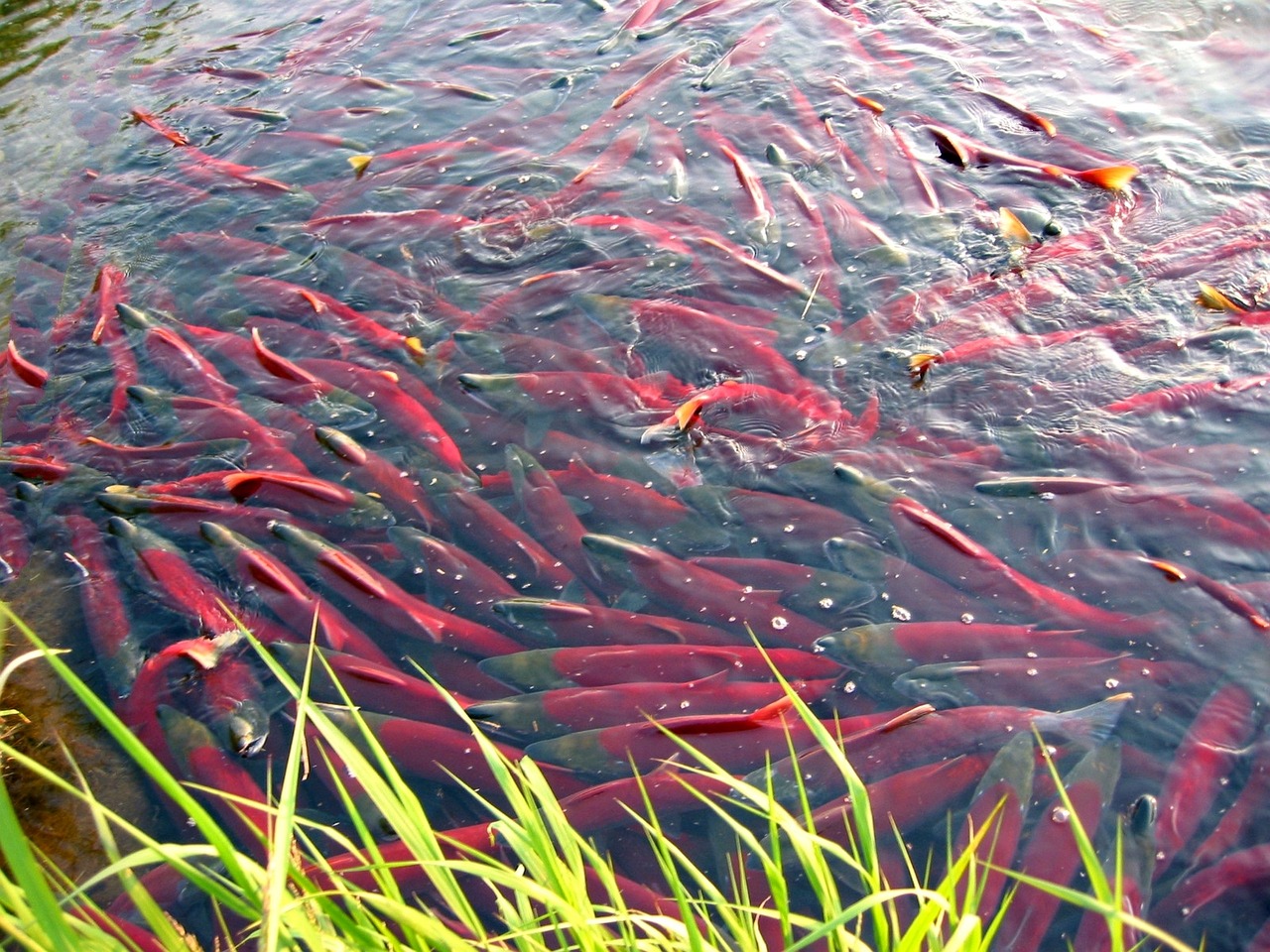
Every fall, salmon return from the ocean to the rivers and streams connected to the places where their lives began. After spending years at sea, they somehow navigate back toward their home waters to spawn. It’s one of those things we’ve all heard about, but actually watching it happen is completely different.
And the good news? You don’t need a boat, fishing gear or a David Attenborough narration to see it.
When Can You See Salmon Spawning In Oregon?
We’re entering the season right now. The exact timing depends on the river and species, but salmon viewing opportunities around Oregon generally begin in September and continue well into the fall. Some locations are best in September and October, while others really get going in November.
That’s part of what makes this such a great fall family activity. You can turn it into a day trip, combine it with a hike or picnic, and tell the kids you’re going wildlife watching. They don’t need to know you’re also desperately trying to get everyone out of the house for a few hours.
Here are some good places to try.
Wildwood Recreation Site Near Welches
For Portland-area families, Wildwood Recreation Site might be one of the easiest places to start.
Located along Highway 26 near Welches, Wildwood sits beside the Salmon River and offers several ways to explore the area. The Cascade Streamwatch Trail is an accessible, paved three-quarter-mile loop with interpretive displays and an underwater fish-viewing chamber. The site also has boardwalks, picnic areas, trails and a playground.
That underwater viewing area is a big bonus when you’re bringing kids. Instead of spending 20 minutes staring into a river while repeatedly insisting, “No, seriously, I think I saw one,” they can actually get a look below the surface.
Wildwood is open year-round, although weather can affect vehicle access. There’s also a day-use vehicle fee, so it’s worth checking the site before heading out.
Westmoreland Park In Portland
You don’t even have to leave Portland for this one.
Westmoreland Park sits along Crystal Springs Creek, which provides habitat for coho, Chinook and steelhead. Years of restoration work have also improved the creek and made it easier for fish to travel through this part of Portland.
Crystal Springs Creek is a pretty cool place to look for salmon simply because it’s right in the middle of the city. Families can walk along the creek, explore the park and keep an eye on the water without committing to an all-day road trip.
Bring some binoculars and take your time. Salmon aren’t exactly operating on a posted schedule, so there’s no guarantee one will majestically appear the moment your family arrives.
Kids rarely respect posted schedules either, so really, everyone should understand each other.
Eagle Creek In The Columbia River Gorge
Eagle Creek is another popular place to watch for salmon in the Columbia River Gorge.
For families, I’d stick around the Eagle Creek Day Use Area and lower portions of the creek rather than turning salmon watching into a hike along the famous Eagle Creek Trail. Parts of that trail run along exposed cliffs and aren’t a great choice for younger kids.
That distinction is worth making because “Let’s go see salmon” probably shouldn’t accidentally turn into “Why are we standing on the edge of a cliff with an eight-year-old?”
The Eagle Creek Recreation Area also requires a recreation pass for parking, so check current conditions and requirements before you go.
Tillamook Forest Center And The Wilson River
If you’re willing to head toward the Coast, the Wilson River gives families another good opportunity to look for salmon.
The Tillamook Forest Center sits beside the river and makes this an especially nice choice with kids because there’s plenty to do even if the salmon aren’t cooperating.
The Forest Center includes hands-on exhibits, riverside and forest trails, a 40-foot replica fire lookout and a 250-foot suspension bridge across the Wilson River.
In other words, you have a backup plan. Any parent who has driven an hour somewhere with children understands the importance of the backup plan.
The center’s schedule changes throughout the year and it closes during the winter, so check the current hours before making the drive.
Trask River Hatchery Near Tillamook
Another Tillamook-area option is the Trask River Hatchery.
Fall and early winter can bring adult salmon into the waters below the hatchery and nearby Gold Creek. There are also outdoor interpretive signs that can help kids understand what they’re looking at without requiring Mom or Dad to suddenly become an expert in salmon biology in the parking lot.
There is one important update for 2026. A slide has closed the hatchery access road to unauthorized vehicles, so visitors currently need to park outside the gate and walk in. Definitely check the hatchery page before making this your destination in case conditions change.
Salmon River Hatchery Near Otis
There’s something wonderfully convenient about watching salmon in a river literally called the Salmon River.
The Salmon River Hatchery near Otis is another place to consider during a fall Coast trip. September through November is generally the most interesting time to visit, with adult fish moving through the area during fall and early winter.
The nearby Salmon River and estuary also offer plenty of wildlife viewing, and Cascade Head is close enough that you can easily turn the trip into a full day near the Coast.
There has been a change at the hatchery. Oregon shifted fish production to other facilities after funding changes, but the property remains open for public and fishing access. Just don’t arrive expecting a fully staffed attraction with someone waiting around to give your family a personal salmon tour.
What Should Kids Look For?
This is where the outing gets especially interesting.
Spawning salmon may look quite different from the shiny silver fish kids have seen in pictures. Depending on the species and stage of spawning, their bodies can change in color and shape. You may also notice fish gathering in shallower stretches of moving water or suddenly splashing and turning near gravel beds.
Females create nests in the gravel known as redds, where their eggs are deposited. If you see an area of gravel that looks cleaner or lighter than everything around it, that may be a redd.
And here’s one part parents may want to explain beforehand: you could see dead salmon.
Pacific salmon die after spawning, and their bodies become an important source of nutrients for streams, forests and other animals. It can look a little grim to kids who weren’t expecting it, but it’s also a pretty remarkable example of how connected Oregon’s rivers, forests and wildlife really are.
Give The Salmon Some Space
This may be the most important part of the trip.
Watch from established trails, bridges, overlooks or stream banks whenever possible. Don’t chase the fish or let kids walk through areas where salmon are spawning. Even after adult salmon have moved on, eggs can remain buried beneath the gravel.
Binoculars are perfect here. So is patience. Maybe pack snacks too.
Actually, definitely pack snacks. Wildlife appreciation tends to decline sharply once someone announces they’re hungry.
A Fall Adventure That’s Very Oregon
There are plenty of ways to celebrate fall around Oregon, and we’ll happily take the cider doughnuts, corn mazes and piles of leaves.
But watching salmon return home feels different. Kids get to see something wild happening right in front of them, something that’s an important part of Oregon’s rivers and ecosystem. There’s no ride to stand in line for and no elaborate activity required. You mostly just have to show up, slow down and look into the water.
And if your kids actually put down their phones long enough to become fascinated by a fish swimming upstream, congratulations.
You’ve witnessed two natural wonders in one afternoon.

Tiffany Wilson is a 42-year-old stay-at-home mom from Tigard, Oregon, raising three kids—Sophie, Noah, and Riley. She’s a warm, hands-on parent who mixes daily routines with creative fun, whether it’s a backyard scavenger hunt or building a blanket fort in the living room.
2 thoughts on “One Of Oregon’s Coolest Fall Adventures Is Happening Right Now – Where To See Salmon Spawn With Kids”
Comments are closed.
I graduated with a degree in communication back in 1975, and I really appreciate how well-written this is. Your clear writing and great storytelling made for a truly funny and informative guide! Richard Freimark, Portland, OR
I graduated with a degree in communication back in 1975, and I really appreciate how well-written this is. Your clear writing and great storytelling made for a truly funny and informative guide! Richard Freimark, Portland, OR