If you’re looking to get your knowledge up this Fall season, then we’ve got all the activities you need. Our list has amazing activities that let your family have tons of fun while you learn, too. STEM helps prepare children for the future, build problem-solving skills, and develop academic skills that support them throughout their academic journey. So let’s go out, explore, and learn new skills.
Hoyt Arboretum
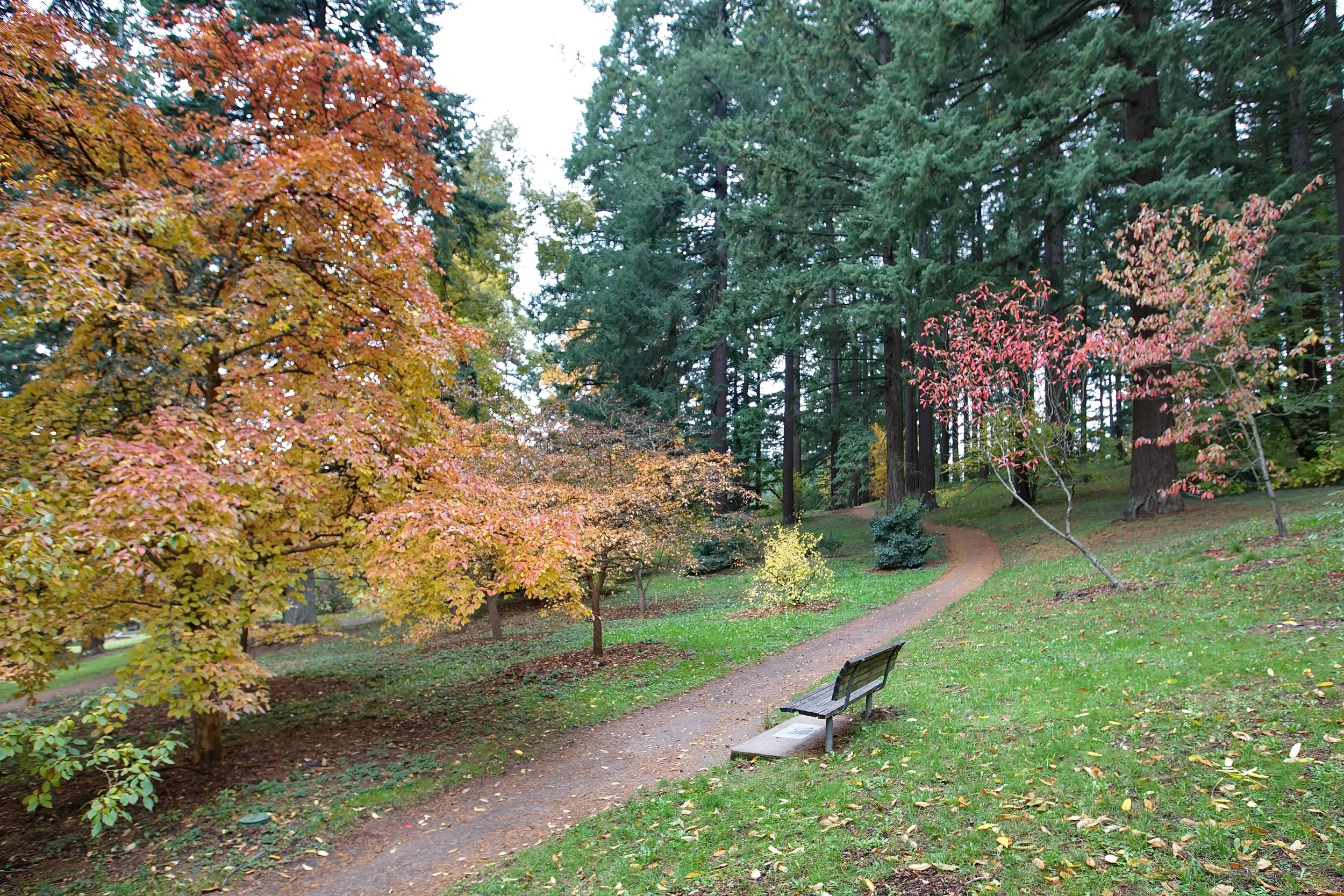
Hoyt Arboretum lets you study fall foliage and the trees. You can see the leaves changing colors, identify different types, and learn about seed dispersal, which is really fun for little ones. You can go daily throughout the autumn season. Entry to the Arboretum is free, but you can join a guided walk starting at $8. This is a great opportunity to study leaf chromatography and color changes. It’s also a wonderful time to learn about tree branch structures.
Apple Picking
When Fall begins, everyone wants to go apple picking, but most people don’t realize it can be a great math, technology, and science activity too. Orchards are a great place to teach your little ones about pomology, photosynthesis, and oxidation. When you take the apple home, slice it in half and show your family how it changes once it meets oxygen, or how you can use lemon juice to slow the oxidation process. Counting the apples and slicing them into more portions can also be a great lesson in fractions.
Japanese Garden
This is another place that will be amazing for studying plant life. They have a huge diversity of plants, and you’ll be teaching your children biodiversity, physical geography, and environmental science. You can also teach your children why leaves change color (green is because of chlorophyll, red and purple because of anthocyanins, etc.).
Crystal Springs Rhododendron Garden
This site features waterfalls, lakes, and a diverse, innovative ecosystem, and lets you study waterfowl. In the Fall, you’ll see waterfowl migration and study flight and physics. Your family can track bird species like mallards and coots, then document how their bodies move (like how often they beat their wings, from takeoff to when they’re actually flying).
Looking into waterfowl is fun too. Did you know they have a specialized gland that produces oil for their feathers? It’s the oil that coats their feathers and then prevents the water from getting between their down layers. This would make a fun lesson on watching them move through the water more naturally.
Tualatin River Greenway
If you’re interested in geological history and paleontology, you’ll have fun here. The trail features elements created with help from the national park. The Ice Age floods helped create and reshape the Tualatin and Willamette valleys. They also have replica footprints along the path so children can compare their feet to the ancient animals that once roamed here.
Sauvie Island Pumpkin Patch and Corn Maze
I will always recommend Sauvie Island as a great place to visit in Fall. It’s a great place to visit for fun; it’s cheaper for families, and during fall you can learn so much! You can learn about technology, crop lifecycles, geometry, and mapping, just to start. The corn maze is also a great way to help your child build problem-solving skills. Let them take the lead and see how long it takes them to navigate.
Additional Activities
If you want to stay home and do some experiments, try these on for size.
- Apple volcano: Chemical Reaction/ Apple Volcano
Tip: Core the apple so your children don’t get hurt. This is a great activity for learning about chemical reactions, and honestly, even as an adult, it’s awesome to see how much foam comes out of the mix.
- Corn Dancing: This one is really interesting for kids! By using basic ingredients, you can make corn kernels rise to the surface and sink in the cup, creating a look of “dancing.”
- Pumpkin Catapult: There are a few different options for this one. Try this one, or this one. You’re creating a fun catapult that will send little candy pieces flying or launch a small gourd (but it has to be a tiny one).
- Pumpkin Parachutes: Honestly, such a cute one. With a few simple materials, you can create a mini parachute for tiny pumpkins or candy pieces.
- Pollen Lab: Have you ever wondered what pollination is and what bees do? This is a good project for that. You can learn about natural pigments and understand why pollen is so important to our society.
- Animal X-rays: This one lets you learn about bones and what X-rays do. Learning about both can help you learn how we function as human beings. For instance, why we walk on two legs while animals walk on four.
Have fun this season and remember to be safe!

Jenifer Dale is a writer that has a passion for reading and helping others. When she is not writing, she loves cooking, crocheting, and spending time with her family.