
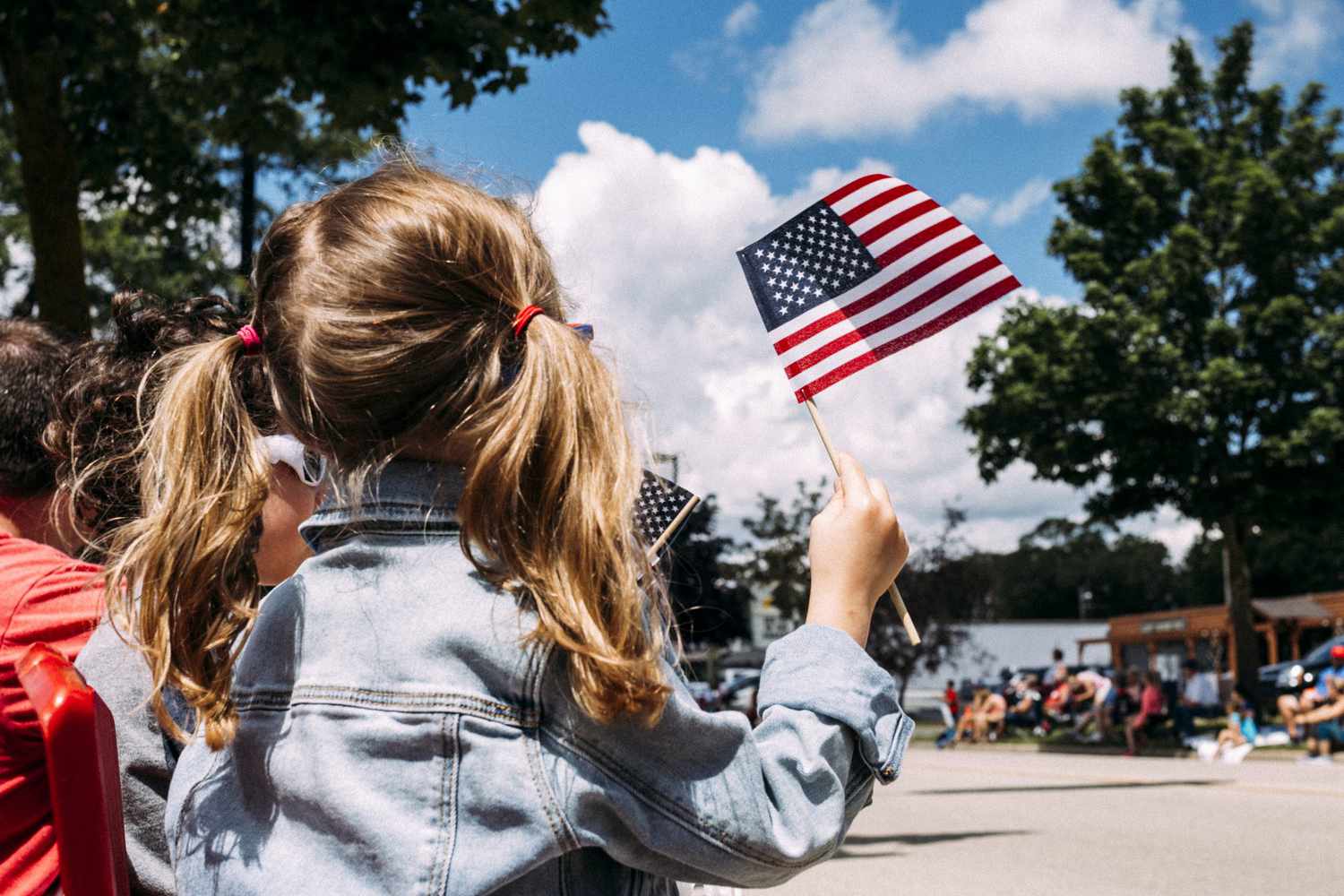
Ask most kids why they love the Fourth of July and you’ll probably hear the same answers: fireworks, popsicles, backyard games, and the rare privilege of staying up way past bedtime.
They’re not wrong.
But tucked between the parades and cookouts is an opportunity to help children understand why the day matters. It doesn’t have to become a history lesson or a lecture. A simple conversation, a good question, or even a family tradition can help kids connect the celebration with the story behind it.
Here are a few easy ways to make Independence Day a little more meaningful.
Start with what they already understand
You don’t need to explain every detail of the American Revolution. Younger children already understand ideas like fairness, standing up for themselves, helping others, and having a voice. Those ideas make a great starting point.
You might say something like:
“Long ago, the people who lived here wanted the freedom to make more of their own decisions. They believed they should have a say in how they were governed, and that’s one of the reasons we celebrate today.”
As kids get older, you can build on those conversations by talking about how our country has changed over time and how Americans continue working toward the ideals of freedom and equality.
If your child wants to dig a little deeper, the National Archives offers a kid-friendly introduction to the Declaration of Independence, complete with simple explanations and images of the original document:
https://www.archives.gov/founding-docs/declaration-for-kids
Make history feel real
History often clicks when kids can picture the people involved.
Instead of focusing on dates and memorizing names, talk about what life was like nearly 250 years ago. There were no cars, airplanes, phones, or electricity. Families traveled by horse, wrote letters by hand, and waited weeks or even months to hear news.
You can ask questions like:
- What do you think would be hardest about living back then?
- How would you stay in touch with your friends?
- Would you rather live in 1776 or today?
Those kinds of conversations invite curiosity instead of turning history into homework.
Celebrate freedom in everyday ways
The word “freedom” can feel pretty abstract to young kids.
Try bringing it closer to home.
Talk about some of the freedoms they experience every day, like learning at school, reading books, sharing their opinions respectfully, practicing their faith if they choose, or participating in sports, music, and other activities they enjoy.
It’s also a good opportunity to explain that freedom comes with responsibility. We have rights, but we also care for our neighbors, follow rules that keep people safe, and treat others with kindness and respect.
Those are lessons kids can understand at almost any age.
For younger children, the Kids Academy Fourth of July video offers a fun, age-appropriate introduction to the holiday that can help reinforce those conversations:
https://www.youtube.com/results?search_query=Kids+Academy+4th+of+July
Let them ask the questions
One of the best parts of these conversations is that kids often take them in unexpected directions.
Instead of quizzing them, ask open-ended questions.
- What’s your favorite thing about living where we do?
- What’s one freedom you’re thankful for?
- If you could create a holiday for families, what would everyone celebrate?
There aren’t any wrong answers. Sometimes those conversations become the moments kids remember most.
Create traditions they’ll remember
Children rarely remember every historical fact they learned.
They do remember traditions.
Whether it’s attending the local parade, grilling burgers together, decorating bikes with red, white, and blue streamers, making homemade ice cream, or watching fireworks from the same park every year, those experiences become part of what the holiday means to them.
If you don’t already have a Fourth of July tradition, this year is a great time to start one.
Families who want to continue exploring American history together can also check out Smithsonian History Explorer, which offers interactive activities, articles, and educational resources for kids:
https://historyexplorer.si.edu/
Enjoy the celebration safely
Fireworks are exciting, but they can also be loud, unpredictable, and dangerous, especially for younger children.
If you’re attending a fireworks show, consider bringing hearing protection for little ones. Keep a close eye on sparklers, which can burn much hotter than many parents realize, and follow local fire restrictions, particularly during Oregon’s dry summer months.
The American Academy of Pediatrics also has excellent Fourth of July safety tips for families:
https://www.healthychildren.org/English/safety-prevention/at-play/Pages/stay-safe-this-4th-of-july.aspx
Keep the conversation going
If your child enjoys books, consider reading We the Kids by David Catrow together before the holiday. It introduces the Preamble to the Constitution with colorful illustrations and kid-friendly language, making it a fun way to continue the conversation after the fireworks are over.
At the end of the day, your kids probably won’t remember every conversation you had about 1776.
They’ll remember waving flags at the parade, eating watermelon in the backyard, chasing fireflies as the sun goes down, and watching fireworks with the people they love.
And that’s okay.
Family traditions are often how children first connect with history. If they grow up understanding that the Fourth of July is both a celebration and a chance to appreciate the freedoms we enjoy today, you’ve given them something they’ll carry with them long after the fireworks fade.

Tiffany Wilson is a 42-year-old stay-at-home mom from Tigard, Oregon, raising three kids—Sophie, Noah, and Riley. She’s a warm, hands-on parent who mixes daily routines with creative fun, whether it’s a backyard scavenger hunt or building a blanket fort in the living room.