
Choosing a preschool for your child often feels like balancing logic with gut instinct. You want a place that’s safe and nurturing. But beyond friendly teachers and flexible hours, there’s something else that quietly influences your decision: the environment itself. These top facility trends are reshaping early education centers in Oregon and changing what quality childcare looks like.
1. Thoughtfully Designed Spaces
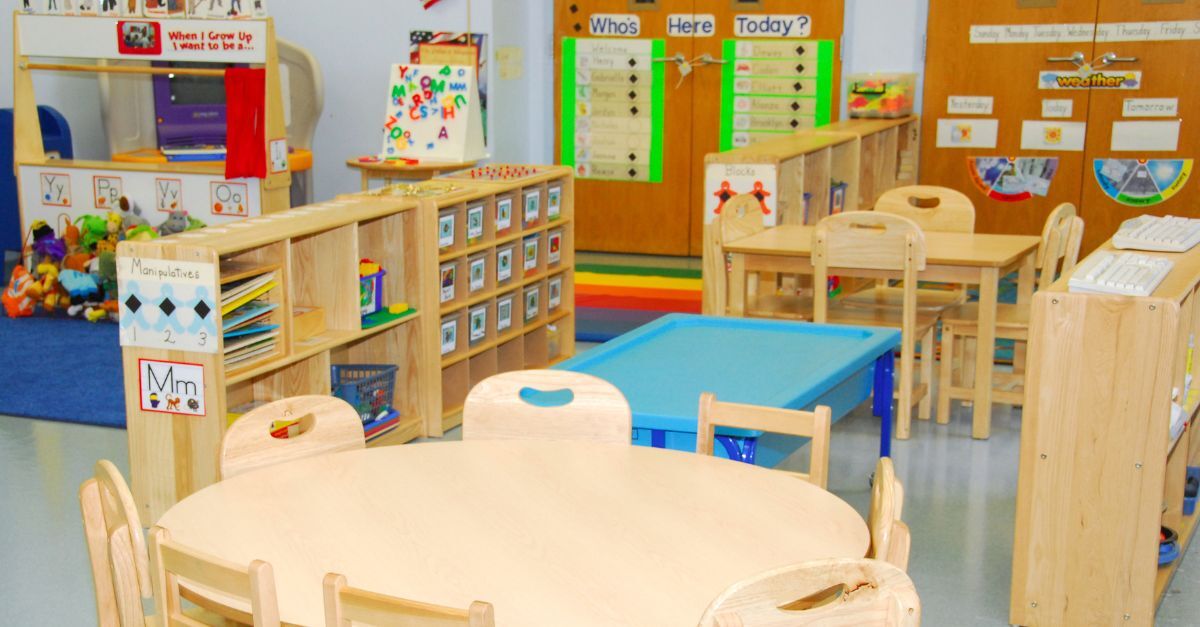
Environments play key roles in early brain development, shaping how children learn and interact with the world. Modern preschools are moving beyond basic classrooms, focusing on intentional design and getting smarter about how they use space. Instead of rigid, single-purpose rooms, many centers now feature flexible areas that shift throughout the day from quiet reading corners to active play zones. This kind of adaptability supports different learning styles and keeps kids engaged longer. It also reflects a growing understanding that children learn best when they can freely move, explore, and interact.
2. Flexible Indoor Play
Many preschools are investing in creative indoor play solutions that keep kids active no matter the season. Indoor spaces designed for movement, exploration, and social interaction help children burn energy and stay engaged. This is especially helpful during colder months or rainy weeks, when outdoor time may be limited.
Play areas also support physical development, coordination, and social skills in a way that feels fun rather than structured. The developmental benefits of adding indoor playgrounds to preschools include their ability to encourage active play and peer interaction in early-learning settings.
3. Parent-Friendly Layouts and Features
Another one of the facility trends that are reshaping early education centers is a focus on parents, not just on kids. Quick drop-off zones, clear sightlines, and secure check-in systems are becoming standard. These small upgrades can make big differences when you’re rushing to a morning meeting or squeezing in pickup between errands.
4. A Focus on Emotional Comfort and Well-Being
Finally, there’s a growing emphasis on creating spaces that feel comforting and home-like. Cozy corners, soft seating, and sensory-friendly areas help children regulate their emotions, which is especially important for kids who are adjusting to their time away from home. For working parents, this hits close to home. You’re not just looking for care—you’re looking for a place where your child feels safe, supported, and understood.
At the end of the day, these trends aren’t just fancy upgrades; they’re about creating environments that support children as well as their parents. As you navigate the daily balance of work and parenthood, those details can make all the difference. Because sometimes, the right environment doesn’t just support your child—it supports you, too.

Sam Hopes is a 37-year-old mom of two living in Portland, Oregon. She works as a freelance graphic designer and part-time yoga instructor, juggling creative projects with playdates and PTA emails. Known for her warm personality and dry humor, Sam loves hiking in Forest Park, thrifting on Mississippi Avenue, and weekend visits to OMSI with her kids, Ella and Milo. She’s the kind of parent who forgets sunscreen but always remembers snacks—and a good laugh.