
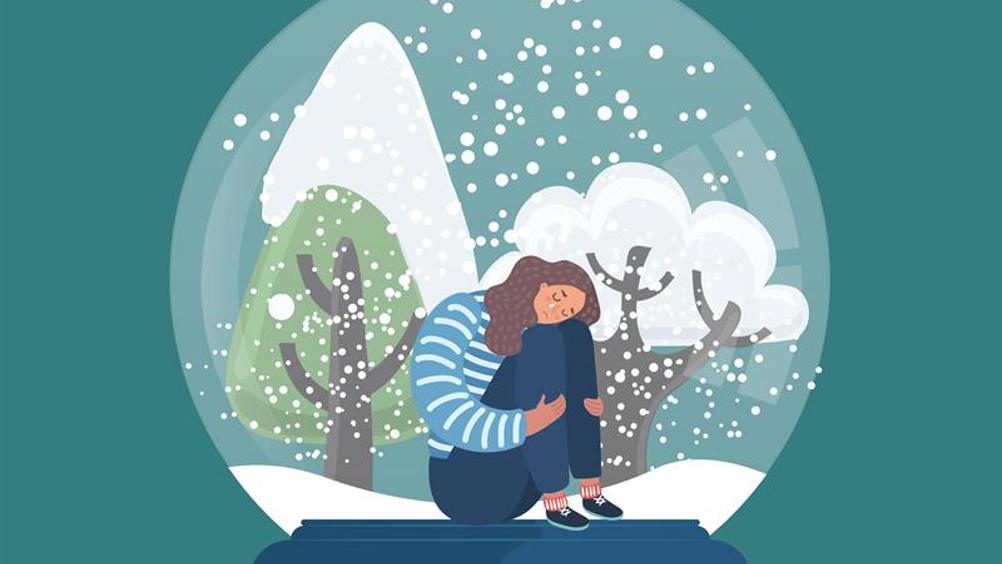
While we have forecasted an exceptionally warmer trend than normal for the rest of autumn in Oregon, there is no escaping the fact that the darker and wetter season is upon us, along with perhaps some feelings of heaviness or sadness that mimic the gloomy skies above. Some people, even yourself, may be hesitant to start slapping a depression diagnosis on everyone low on energy–which is wise! True diagnosis should be left to a dedicated health professional who partners with you on a clear, beneficial treatment path. Our personal knowledge of our state’s environmental drivers and clinical wellness statistics can help us better understand which warning signs to watch for in those around us and when to act to keep our loved ones safe and supported.
Q: What does “depression” even mean?
A: In simple terms, depression is seen as a common and serious mood disorder that presents with persistent negative feelings. From person to person, these feelings can include sadness, hopelessness, emptiness, irritability, lethargy, and a loss of interest in previously enjoyed activities. This is not a mere tearful evening after a tough day–depression is pervasive and often interferes with how a person thinks and interacts daily. If someone’s sadness affects their whole body through physical, cognitive, and social changes, it likely needs to be addressed. While depression is a treatable medical condition, it is not simply something to “snap out of” or move past with ease. Effective care varies widely and is unique to each person.
Q: How can it be both serious and common in Oregon?
A: Simply put, weather patterns here in the Pacific Northwest are not favorable for those sensitive to mood conditions. While the national average for Americans experiencing Seasonal Affective Disorder (SAD) during winter months is 5%, Oregon boasts double that at 10% of residents. An additional 25% of Oregonians deal with a noticeably lower mood dubbed “the winter blues” during these months of cold and darkness. Shorter days mess with our circadian rhythms, causing disruptions similar to jet lag. On a chemical level, the overcast winters here result in reduced exposure to sunlight, which sharply drops serotonin levels and limits any natural Vitamin D production–exacerbating the symptoms. Oregon may be lush and fertile, but it truly plays havoc with our bodies’ ability to regulate moods and energy levels from November through February!
Q: What can we do about it?
A: Be aware! Be mindful to know which warning signs to look for. Intense carbohydrate cravings, daytime fatigue, low motivation, sadness, excessive sleeping, social withdrawal, severe self-neglect, strong reactivity, and prevalent trouble concentrating are all indicators of mental distress. Once you notice a problem, be compassionate! Depression is not a personality flaw or a sign of weakness. Help is available, and change is possible. Some treatments work best for some people and not others, but the important thing is to have honest conversations, stay committed to a plan of care, and remain patient, since results take time and determination. Try repeating some simple affirmations when things seem suffocating: I am enough. My potential to succeed is limitless. Challenges help me grow. I learn and improve every day. I can do hard things.
Who offers local support and guidance?
Reaching out for help can feel overwhelming when the problem isn’t a clear or easy fix. Sometimes the simplicity of healing a broken finger feels radical compared to the vast complexity of mental wellness. As the poet Robert Frost wrote, “the best way out is always through,” and finding a safe space to explore feelings and experiences is often the best place to start. If the problem seems fairly small or recent, consider talking with a primary care physician for their recommendations. Maybe there are simple supplements you can try adding. If talk or cognitive therapy interests you, start with Psychology Today to filter local options by the criteria that matter most. If this is a consistent, perhaps annual struggle, consider putting safeguards in place for the “worst” months, such as staying involved with the gym, creative outlets, academic classes, and group interest activities (ranging from racquetball to political activism). Check out some short self-help reads from the library and budget for a little extra fun like luxury spa days or a few hours at the roller rink with friends. Connect with a support group or workshop through NAMI Oregon. The best part is that there are a ton of options!
When is it considered a “crisis” where direct action is necessary?
If someone is experiencing a mental health crisis, that means their thoughts, emotions, or behaviors put them or others at immediate risk. At this point, they can no longer manage basic daily requirements or maintain safe interactions. If there is present danger, a loss of touch with reality, or overwhelming coping breakdown, please consider these options:
- Call or text 988 to reach the Suicide and Crisis Lifeline. Free, confidential support is available 24/7 throughout the United States and Canada.
- Call 911 when there is physical danger to life or safety, as emergency services are available. In these situations, explicitly request a mental health officer or a crisis-trained responder.
- Stay with them. Do all you can to provide the person in crisis a safe environment free from any dangerous items (such as weapons or medications). Talk through options they are willing to consider to move forward positively. Remind them that it is okay to take time and space to care for their needs.
Taking time to invest in mental wellness triggers a beautiful ripple effect across your entire life. Giving a mind the chance to unwind and recharge does more than just lower stress–it boosts confidence, creativity, social bonds, and productivity! Taking a step back to care for yourself or your loved ones in a time of need doesn’t pause or make you fall behind in life; it builds the resilience needed to increase compassion while reducing anxiety, fear, comparison, and other hindrances to joy.

Michelle is a married mother of two toddler girls and a house full of pets. As a homegrown Oregonian, she enjoys spending her time on family adventures throughout the PNW to fuel her creative inspiration! Photography, crochet, freehand mandala designs, hiking, and gardening are a few of her hobbies that are highlighted on Instagram @xenonvogue. Each new day is a chance to be present and involved, so Michelle strives to live honoring the knowledge that this too shall pass.