
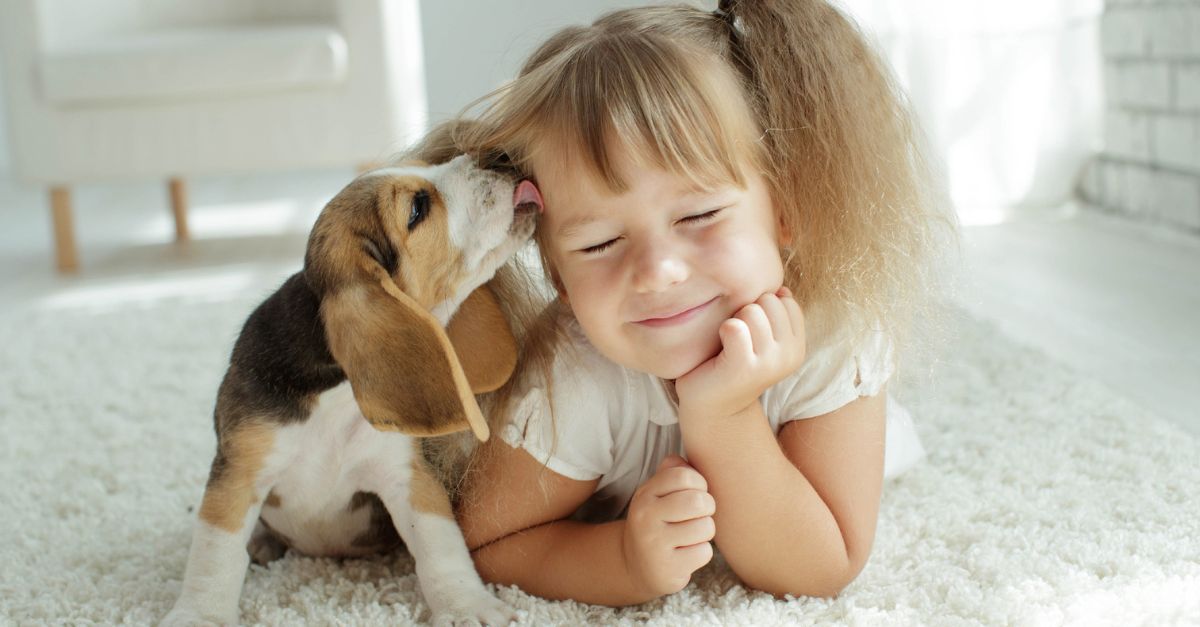
Getting a family pet can turn your household into a hub of joy, laughter, and yes, a bit of chaos. The following dos and don’ts for teaching kids to care for a pet are essential for helping your children develop responsibility while keeping your furry friend happy and healthy.
Oregon families know that pets thrive in our outdoor-loving culture, but kids need proper guidance to become capable caretakers. The following practical strategies will help your children succeed as pet parents without overwhelming them or neglecting your pet’s needs.
Do: Start With Age-Appropriate Tasks
Young children can handle simple responsibilities that build their confidence. A five-year-old can fill a water bowl, while an eight-year-old can measure out kibble for mealtimes. Teenagers can manage full feeding schedules and clean that dog bed with an indestructible design.
You create success by matching tasks to your child’s development level and physical abilities. Even toddlers can help you brush a calm dog under supervision, which teaches gentle handling from an early age. The key is to set your kids up to win rather than frustrate them with chores beyond their current capabilities.
Don’t: Expect Perfection From Day One
Your children will forget to refill water bowls and might overfeed treats when you’re watching. They’ll struggle with tasks that seem simple to you but confuse their developing problem-solving skills. These mistakes become teaching moments rather than reasons for punishment or taking away all pet responsibilities.
You should supervise closely during the first few months, offering gentle corrections and celebrating small victories. Kids learn through repetition and hands-on practice, so patience pays off when you let them stumble safely. Your role involves coaching them toward improvement rather than demanding immediate perfection from eager but inexperienced helpers.
Do: Create a Visual Schedule
Children thrive when they have a set of clearly defined tasks and know when those tasks should happen. A colorful chart with pictures works wonders for younger kids who haven’t yet mastered reading. Older children benefit from checklists they can mark off independently, which builds accountability and organizational skills.
You might use magnets, stickers, or dry-erase markers to track daily feeding times, walks, and play sessions. This visual system removes the guesswork and reduces the nagging you’d otherwise do throughout the day. Your kids gain independence while your pet receives consistent care that doesn’t rely on anyone’s memory alone.
Building Lifelong Bonds: Raising Responsible Pet Owners
Teaching kids the dos and don’ts of caring for a pet gives them the framework they need for success with furry companions. Your children will develop empathy, a sense of routine, and confidence when you guide them appropriately in pet care. Start small, stay patient, and watch your kids blossom into caring animal lovers who treat pets with the respect they deserve.

Sam Hopes is a 37-year-old mom of two living in Portland, Oregon. She works as a freelance graphic designer and part-time yoga instructor, juggling creative projects with playdates and PTA emails. Known for her warm personality and dry humor, Sam loves hiking in Forest Park, thrifting on Mississippi Avenue, and weekend visits to OMSI with her kids, Ella and Milo. She’s the kind of parent who forgets sunscreen but always remembers snacks—and a good laugh.