
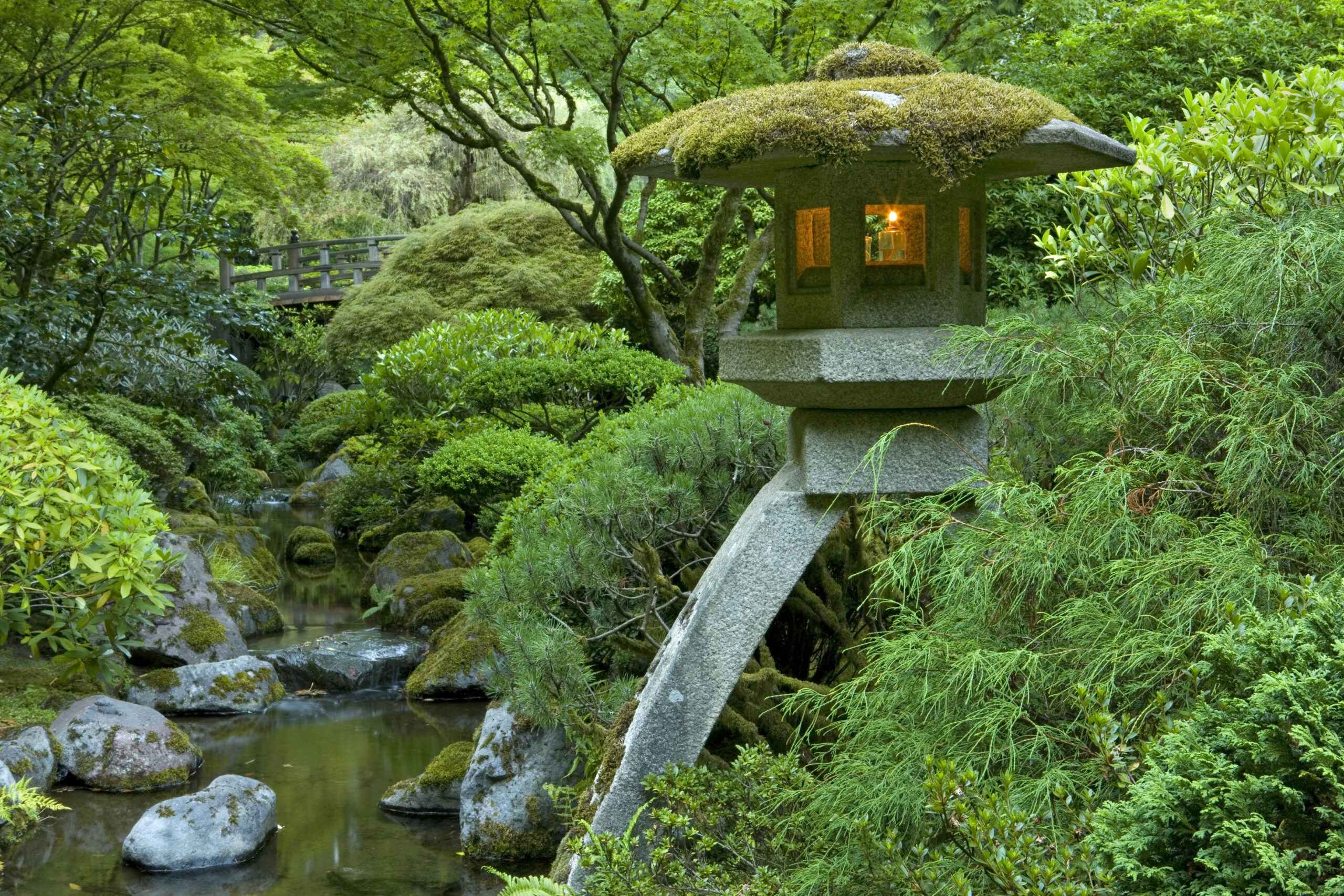
Japanese gardens are having a moment across cities nationwide, and Portland happens to be home to one of the very best. Nestled in Washington Park, the Portland Japanese Garden has been a local treasure since the late 1960s, thoughtfully built on land that once housed the old Washington Park Zoo.
Today, the Garden feels like a true escape from city life. It’s calm without being boring, educational without feeling stuffy, and surprisingly engaging for kids and adults alike. From the modern Cultural Village to the historic garden spaces, every corner offers something to explore, learn from, or simply sit and enjoy.
If you’re on the fence about visiting, here are a few highlights that make it well worth your time.
The Tea Garden
The Tea Garden is one of the most tranquil areas of the entire space. A winding path of stepping stones leads visitors through a rustic landscape to the Kashintei Tea House, designed to reflect centuries-old traditions centered on mindfulness and simplicity.
Tea gardens were historically created as places to pause and disconnect from everyday life, and that intention still holds true today. The inner and outer gardens are connected by a gentle pathway, encouraging slow movement and quiet observation. If you’re lucky, you may catch a traditional tea ceremony, an intricate and beautiful experience that offers a window into Japanese cultural practices.
The tea house itself was constructed in Japan and shipped to Portland in pieces, then carefully reassembled. While it remains deeply traditional in design, subtle adaptations, like sliding and papered doors, allow it to be used for demonstrations and educational programs.
The Vollum Library
Book lovers, take note. The Vollum Library is a hidden gem within the Garden. While full access is reserved for members, general visitors can still step inside during their visit, and it’s absolutely worth doing so.
The library houses more than 3,000 publications focused on Japanese gardens, art, architecture, and culture. It’s a quiet space meant for reflection and learning, not a workspace, and books stay on-site. Even a short visit offers a deeper appreciation for the history and meaning behind what you’re seeing outside.
Umami Café
After wandering the grounds, Umami Café is the perfect place to recharge. Well known and consistently loved, it offers excellent tea, attentive service, and a thoughtfully curated menu.
Tea sets feature classic Japanese teas paired with locally made confections. Favorites include Sencha served with Castella cake, while savory options like miso soup and ochazuke provide something more filling. The matcha and hojicha brownies from the à la carte menu are also standouts, rich without being overly sweet.
If you’re looking for something refreshing, the Kimino sparkling sodas are light, crisp, and kid-approved.
The Bonsai Terrace
The Bonsai Terrace highlights the art of creating miniature landscapes that reflect the natural world. The Garden partners with local bonsai practitioners from across the region, and because displays rotate regularly, there’s always something new to see.
For even more bonsai, head to the second floor of the Cultural Village’s learning center, where an expanded collection is often on view. The terrace itself is peaceful and beautifully designed, offering a close look at creativity, patience, and craftsmanship. Just remember to admire from a distance—these living works of art are not to be touched.
The Castle Wall
One of the most striking features of the Cultural Village is the castle wall at its western edge. Built using traditional hand tools and techniques, the wall reflects medieval Japanese design and craftsmanship. It’s both impressive in scale and rich in detail, and it’s believed to be the only structure of its kind built outside of Japan.
Walking alongside it truly feels like stepping into another time and place.
A Place for Culture, Nature, and Family Memories
The Portland Japanese Garden offers far more than just beautiful scenery. It’s a space where culture, art, and nature come together in a way that feels accessible and meaningful for all ages.
For families, it’s an especially lovely place to slow down, spark curiosity, and create shared memories. Kids aren’t just seeing something beautiful; they’re experiencing history, design, and global culture in a calm, welcoming environment. It’s one of those rare Portland spots that feels both special and grounding, every time you visit.
Know Before You Go
Location:
The Portland Japanese Garden is located in Washington Park, just west of downtown Portland.
Tickets:
Timed-entry tickets are required and should be purchased in advance, especially on weekends and during peak seasons. Members receive free admission and early access hours.
- Adults: about $22.50
- Seniors (65+): about $19.50
- Students (with ID): about $18.50
- Youth (ages 6–17): about $16.50
- Children 5 & under: Free
- Members: Free with membership
Tickets include access to the garden grounds, art exhibitions, the Umami Café, and the Cultural Village. Prices reflect current season admission and are best booked in advance online to secure your preferred time slot.
Best Time to Visit:
Weekday mornings are the quietest and most peaceful. Spring (cherry blossoms) and fall (maple colors) are especially beautiful, but the garden is lovely year-round.
Strollers & Kids:
Strollers are allowed, though be prepared for hills, stairs, and narrow paths. Baby carriers can be easier for younger kids. The garden is best suited for kids who can enjoy slower exploration and gentle reminders about not touching plants or displays.
Food & Drinks:
Outside food isn’t permitted, but Umami Café is located inside the Cultural Village and offers both kid-friendly and adult options.
Accessibility:
The Cultural Village and some garden areas are wheelchair accessible, though certain historic garden sections include stairs and uneven pathways.
Parking & Transportation:
Parking is available in Washington Park, but it fills up quickly. MAX light rail and shuttle options are often the easiest way to get there, especially on busy days.
What to Bring:
Comfortable walking shoes, layers for changing weather, and a camera or phone. You’ll want photos.

Jenifer Dale is a writer that has a passion for reading and helping others. When she is not writing, she loves cooking, crocheting, and spending time with her family.