
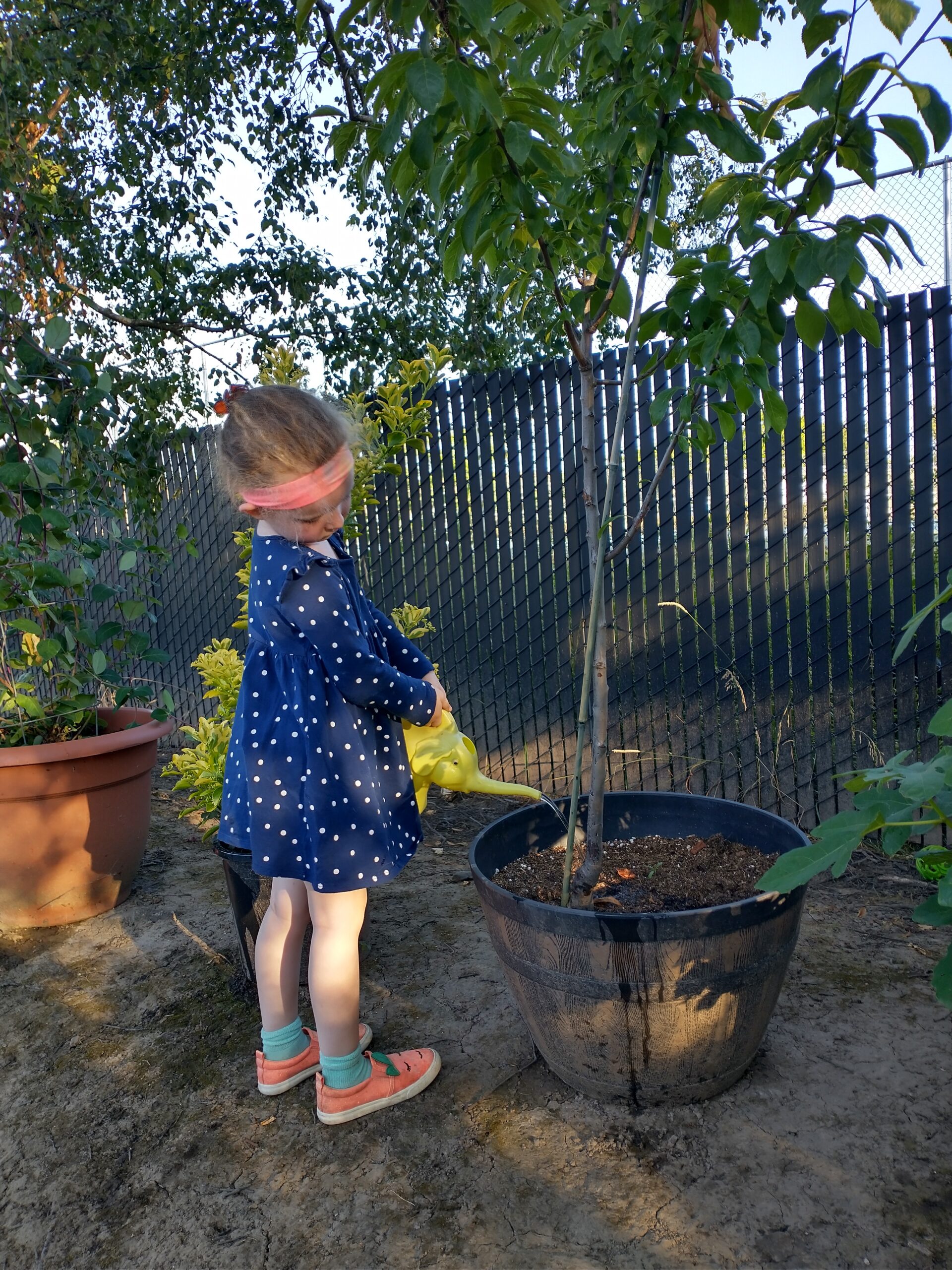
Despite what some may think, being an Oregonian does not guarantee a green thumb or a passion for plants. Adding the task of caring for plants to a daily routine is a hassle that many would quickly pass on for a variety of reasons, such as not enough time, not enough space, and why all that effort when a quick grocery store run is so much simpler? The truth is that it is hard not to grow a wide array of tasty edible plants in this fertile state! I grew up in the mid-Willamette Valley, and my mother actively declares herself as a brown thumb. Still, we managed to grow ample raspberries and tomatoes in our small backyard throughout my childhood! Do not lose heart or call it quits if plant care is not your top skill. This article is here to encourage everyone, from the mildly interested to known plant-killers, with simple tips and tricks for home growing with your kids and the easiest edibles to choose from in Oregon.
Tips and Tricks
Ask a Pro
First and foremost, get familiar with where you are in the state. Oregon literally has it all, from deserts to rainforests and seashores to mountains! Your growing region can vastly affect your gardening plans. As a simple destination, try stopping by your local bookstore’s gardening section for great applicable finds, such as the Timber Press Guide to Vegetable Gardening in the Pacific Northwest by Lorene Edwards Forkner. In books such as this, experts have done much of the heavy lifting for plant novices, breaking down gardening needs and sorting them by each appropriate calendar month so they seem more manageable and user-friendly. Buying a region-specific guide will point to what is most appropriate to plant in your family’s home area. To expand your knowledge without leaving home, take advantage of one of OSU’s Master Gardener Courses (which are occasionally offered for free or discounted rates if the family budget is tight)! These online courses are an excellent way to get professional-level knowledge that is tailored to our own beautiful and fertile state.
Know Before You Grow
Oregon is home to a unique maritime climate that can yield a year-round harvest, meaning that every family can find a plant or two that fits their lifestyle! If your family has natural soil areas to dig up and use, please note that the cliché of heavy Oregon rain creates soil that typically tends to be acidic. This is fantastic news for plants like carrots and cucumbers, but not so habitable for peas and garlic. Either plant accordingly or try out soil amendments formulated for our state’s needs, such as PNW’s Own Organic Soil Conditioner. Soil amendments are also useful to ease heavy, dense clay, another common find in potential garden beds.
To get a clearer picture of what soil your home has (and because this is a fun science experiment for the kids), dig up a portion of the earth from the intended spot and add it to a clear mason jar. Fill the remainder of the jar with tap water and shake vigorously for at least three minutes. Then, patiently let this jar sit undisturbed for a few days. The contents will settle into clearly defined layers: sand is heaviest at the bottom and topped with a layer of silt. Clay settles to the bottom of the water layer, while any organic material floats. Even if your family is using bagged soil in pots, this DIY soil composition test will help you understand your growing medium better and which plants will like it best.
Enjoy the Show
Local nurseries are a wonderful place to browse, pick up some seeds, and ask a few questions. I have learned some of my most helpful tips from friendly workers happy to share their knowledge on topics like the correct type of fencing to keep deer out, which cross-pollinizers get you the sweetest fruit, or what really makes a tomato bush grow like gangbusters. Sometimes nurseries will hold classes where you can learn and socialize while potting up a new container garden or building a birdhouse. I thoroughly recommend taking advantage of these special events!
As a last bit of advice, be honest and play to your strengths. Is your family likely to forget to water here and there? Stay away from water-guzzlers like cucumbers and stick to something more drought-tolerant like grapes. If letting a plant grow big and wild is an interest, try rapid spreaders like pumpkins or beans. When space is limited, growing vertical, trimmable plants like peppers and cherry tomatoes is a nice compromise. If pests or diseases are a problem in your area, grow resistant and low-maintenance crops like leafy greens or potatoes. Whatever your family’s style or home, there’s an edible plant waiting to fit right in. Now, let’s get planting!
Strawberries
Depending on which of the nine varieties of Oregon strawberry you choose to grow, you could have a massive crop in June or a steady supply throughout the growing season. Beautiful white blooms develop into rich, red berries in about four weeks. It is recommended to plant strawberries in containers or mounds to ensure good drainage and prevent the fruit from touching the ground, which can cause it to rot faster. Strawberries love to send out runners, which should be trimmed back to help the plant focus energy better, producing more fruit and keeping your garden from being overrun! Most strawberry plants can also be overwintered in milder areas of Oregon so that you can harvest the same plant year after year. See here for more variety-specific growing instructions.
Potatoes
Growing potatoes is surprisingly simple, especially in Oregon’s maritime climate. Your family could potentially grow those unused store potatoes that sprouted in the cupboard, but know that store crops are treated with growth inhibitors and, therefore, will not yield as large a crop when used in the garden. A better choice is to buy pre-cut, pre-dried starter potatoes with at least three good-sized eyes (the darker dimples). In your container or garden bed, have at least one generous foot of depth for your potatoes to grow down into. Enjoy the trailing leaves and lovely white flowers that bloom mid-growth while waiting for the foliage to die back. At that point, dump your whole container into a wheelbarrow or start shoveling to harvest bunches and bunches of spuds. This website is brimming with information on growing potatoes in Oregon, so check it out!
Tomatoes
This edible is an excellent choice for novices and seasoned growers alike, thanks to its versatility and hardiness! Not to mention, there are over 200 varieties of tomato plants available each year at Portland Nursery, so finding the kind that works best for your family’s tastes or uses might be the trickiest part of the whole process. Tomatoes grow well in containers, making them ideal for small patios or apartment life, but they also thrive exceptionally well when buried super deep, even around two feet or so, into garden beds. Disclaimer: They can become invasive to nearby plants if you do this, so either keep up on the trimming or leave plenty of space for expansion. As an odd tip, consider depriving your tomato plants of water during the drier months–this will stress the plant, making those bountiful leaves droopy and yellow. Still, the plant will divert all energy into producing as much fruit as possible, yielding massive harvests while benefiting your water bill.
Extra Resources
The four links listed above are great starting points to get your family started growing this season. If you find yourself interested in more gardening advice, here are a few additional Oregon-based sites and stores I would recommend:
Al’s Garden and Home Center has four locations in Oregon: Wilsonville, Gresham, Sherwood, and Woodburn. Their website has region-specific advice on growing pretty much any plant you could think of, and their locations are always staffed with knowledgeable employees who are happy to help.
OSU Extension is a completely free website that clearly states its desire to focus on thriving youth, individuals, and families by offering knowledge regarding agriculture, economies, forests, ecosystems, communities, and more. Your family can submit any questions to a county-specific expert, who will respond within 2 days. These anonymous questions can range from supporting elderly family members to ADHD-approved diets to identifying plants, so go wild!
Secret Garden Growers is based out of Canby and supplies their web visitors with tons of help in identifying plants, locating rare and unique varieties, and what shows they’ll be doing throughout the state. They are also members of the Cascade Nursery Trail, an alliance of independent, family-owned, specialty Oregon nurseries, so ask questions and get more connected!

Michelle is a married mother of two toddler girls and a house full of pets. As a homegrown Oregonian, she enjoys spending her time on family adventures throughout the PNW to fuel her creative inspiration! Photography, crochet, freehand mandala designs, hiking, and gardening are a few of her hobbies that are highlighted on Instagram @xenonvogue. Each new day is a chance to be present and involved, so Michelle strives to live honoring the knowledge that this too shall pass.
