
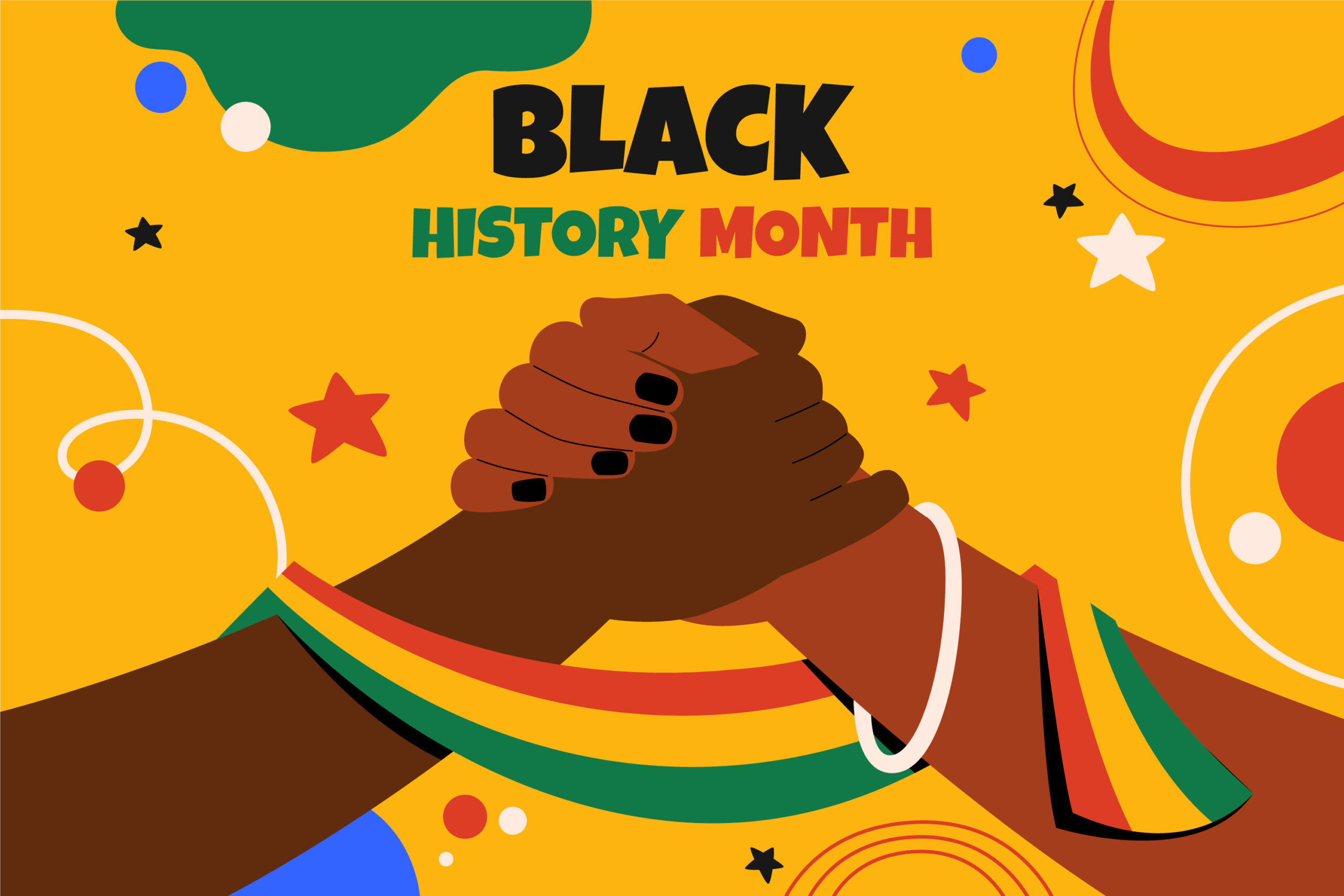
Black History Month offers a meaningful opportunity to help children understand the depth, complexity, and ongoing significance of Black history in the United States. For parents, this can mean moving beyond simplified narratives and introducing children to stories of resilience, innovation, culture, and community both nationally and locally. Portland offers a variety of resources, events, and institutions that can support families in making Black History Month educational and engaging for children of all ages.
Why Black History Month Matters for Children
Black history is an essential part of American history. Teaching children about Black history helps them develop a fuller understanding of the country they live in, fosters empathy and critical thinking, and encourages respect for diversity. When children learn about Black leaders, artists, scientists, and community members, they gain insight into how systems, struggles, and achievements have shaped the present day.
It is also important to frame Black history as more than a story of hardship. While age-appropriate conversations about racism and inequality matter, children also benefit from learning about joy, creativity, leadership, and community strength within Black history and culture.
How to Teach Children About Black History Month
Teaching children about Black History Month doesn’t require formal lessons or expert knowledge. What matters most is intentionality, honesty, and age-appropriate engagement. Parents can approach Black History Month as an opportunity to learn alongside their children, using curiosity and conversation as guiding tools.
Start With Age-Appropriate Context
For younger children, Black History Month can begin with stories about people who made important contributions to their communities and the world. Focus on themes such as fairness, kindness, creativity, leadership, and perseverance. As children grow older, parents can gradually introduce more complex topics, including segregation, civil rights, and systemic inequality, framing these conversations in ways that encourage empathy and understanding rather than fear.
Highlight a Range of Experiences
It is important to present Black history as broad and multifaceted. While figures such as Martin Luther King Jr. and Rosa Parks are essential, children also benefit from learning about Black artists, scientists, athletes, writers, educators, and local leaders. Including stories of everyday people alongside well-known historical figures helps children understand that history is shaped by many voices and experiences.
Encourage Questions and Reflection
Children may ask unexpected or difficult questions when learning about race and history. Rather than avoiding these moments, parents can treat them as opportunities for discussion. It is appropriate to say, “I don’t know, but let’s find out together.” Open-ended questions such as “Why do you think this was important?” or “How do you think this connects to today?” help children think critically and make personal connections.
Connect History to the Present
Helping children see how Black history relates to the world they live in today deepens understanding. Parents can point out contemporary Black leaders, artists, and community members, or discuss how past struggles for justice influenced current laws, schools, and neighborhoods. Connecting historical events to modern experiences reinforces the idea that Black history is ongoing, not confined to the past.
Model Ongoing Learning
Children learn as much from what parents do as from what they say. Seeking out books, attending community events, and engaging respectfully with diverse perspectives sends a clear message that learning about Black history is valuable and ongoing. When parents model curiosity and openness, children are more likely to carry those habits forward.
Portland-Area Events and Cultural Opportunities
Portland offers several family-friendly experiences during Black History Month that allow children to learn through art, storytelling, and shared community experiences.
Portland Art Museum Black History Month Programming
The Portland Art Museum’s Black History Month programming includes films, talks, performances, and community-centered activities celebrating Black creativity and cultural leadership. Families can explore exhibitions together and use the experience as a starting point for conversations about how art reflects history, identity, and social change. Admission is free for visitors 17 and under, and the museum regularly offers free admission days.
Black History Festival NW
Black History Festival NW, organized by World Stage Theatre, is a month-long regional celebration featuring theater, visual art, music, and community displays. Many events are appropriate for families and children, offering engaging ways to experience Black history as a living, evolving story.
Community Markets and Celebrations
Community-based events such as the Culture and Commerce Market and the Black History Month Market and Celebration provide informal, family-friendly spaces to experience Black culture through food, music, art, and local Black-owned businesses. These events help children connect historical learning to present-day community life.
“Black, Black History Month” Pop-Up Museum
The “Black, Black History Month” pop-up museum, hosted by Creative Homies in partnership with the 1803 Fund, highlights Oregon’s Black history through art, performance, film, and community storytelling. More information can be found through the 1803 Fund and local event listings.
Community Archiving and Storytelling
The Portland City Archives’ collaboration with Don’t Shoot PDX, titled “Portland in Black: Documenting Our Lives in the City of Roses”, invites families and community members to learn about preserving personal and collective histories. All their events are free and open to the public with registration.
Moving Beyond February
Black History Month provides a focused opportunity for learning, but these lessons are most impactful when continued throughout the year. Seeking out diverse books, cultural experiences, and conversations year-round helps normalize Black history as an integral part of American history rather than a topic reserved for one month.
Final Thoughts
Parents do not need to have all the answers to teach children about Black History Month. Curiosity, openness, and a willingness to learn alongside children are what matter most. By engaging with Portland’s local resources, attending community events, and fostering thoughtful conversations at home, families can help children develop a deeper understanding of history, community, and belonging.

Emily currently lives in Orange County, California after spending four years in Illinois and half a year teaching in Florence, Italy. She holds a B.A. in English Literature from Knox College and an M.A. in Counseling from the University of San Diego and has taught English to native speakers and ESL students for over three years. When she’s not working as a School Counselor or writing, she enjoys traveling the world, playing instruments, and blogging about Millennial experiences at Long Live the Twenties.
