
There are parenting milestones you expect.
The first time they drive alone. The first high school dance. The first job interview.
And then one morning, they’re standing in the bathroom doorway holding a razor like it’s a complicated piece of machinery.
“Uh… how do I do this?”
Teaching your teen how to shave isn’t just about removing hair. It’s about confidence, hygiene, independence, and quietly stepping back as they grow into a new phase of self-care. It’s one of those low-key parenting moments that happens somewhere between soccer practice, homework, and “What’s for dinner?”
Here’s how to handle it well.
Start with the Conversation
Before a razor ever touches skin, talk.
Shaving shouldn’t feel like a requirement or a race to keep up with friends. Some teens are eager to start. Others feel pressure. Make it clear this is about comfort and personal choice.
Ask what prompted the interest. Are they feeling self-conscious? Curious? Just experimenting?
Normalize the process. Everyone figures this out at their own pace.
Choose the Right Tools
This is not the time for the cheapest disposable razor in the bargain bin.
For beginners, keep it simple:
- A quality multi-blade cartridge razor
- Or a beginner-friendly electric razor
- Shaving cream or gel (not soap)
- A clean towel
- Fragrance-free moisturizer or aftershave balm
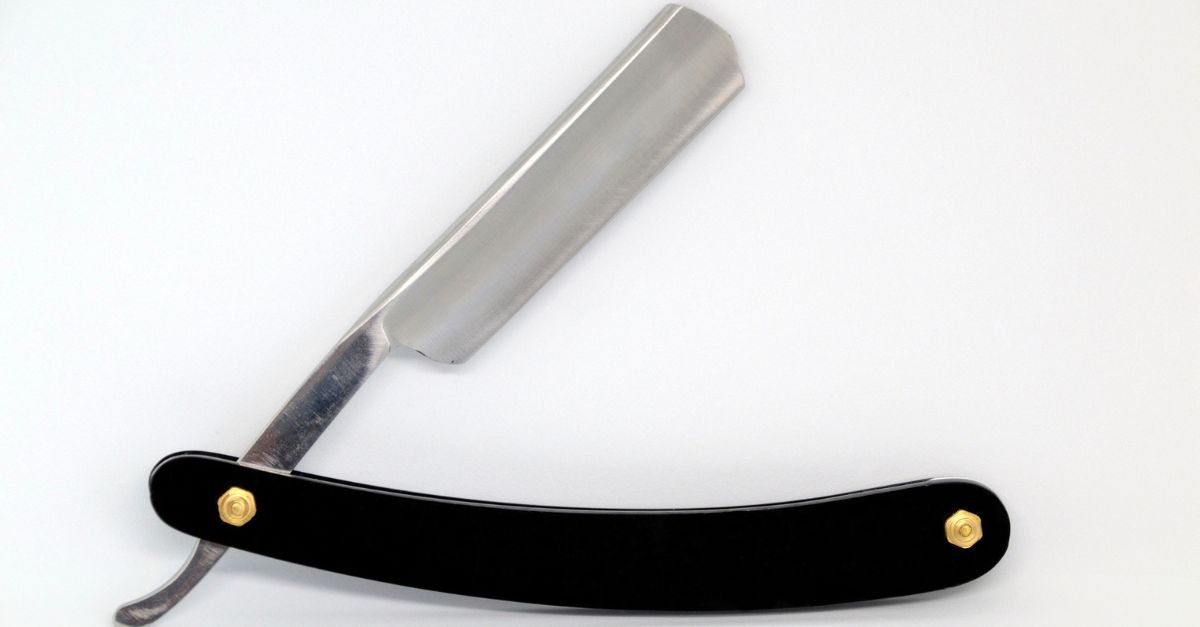
A straight razor may sound impressive, but it’s rarely necessary for a teen just learning. Start with tools that are forgiving and easy to control.
Show them how the razor works. Demonstrate grip and angle. Emphasize this important truth: pressure is the enemy. Let the blade do the work.
Explain the “Why,” Not Just the “How”
Shaving is more than a habit. It’s a ritual that rewards attention.
Teens are far more likely to stick with a routine when they understand the science behind it:
- Warm water softens the hair shaft.
- Shaving cream reduces friction and protects skin.
- Shaving with the grain reduces irritation and ingrown hairs.
When they understand why each step matters, the routine feels intentional rather than arbitrary.
Prep Is Everything
Most shaving mistakes happen before the razor even moves.
Teach them this order:
- Wash the area with warm water and a gentle cleanser.
- Shave after a shower if possible.
- Apply shaving cream and let it sit for about a minute.
Skipping prep is the fastest way to razor burn and frustration.
This small investment of time makes the entire experience smoother and more comfortable.
The Technique: Slow and Steady
The motion itself may look simple, but it requires focus.
- Hold the razor at a natural angle.
- Use short, light strokes.
- Rinse the blade frequently.
- Shave in the direction the hair grows.
If shaving a face, point out that hair grows in different directions on the cheeks, chin, and neck. If shaving legs or underarms, remind them to adjust to curves gently and avoid rushing.
You’re not mowing a lawn. You’re gliding.
Safety First (Without the Drama)
A razor is still a blade. Respect matters.
Talk through:
- Not sharing razors
- Rinsing and drying the blade after each use
- Replacing dull blades regularly
- Storing razors somewhere clean and dry
Dull blades cause more irritation and cuts than sharp ones.
Set a calm safety standard that will stick with them for life.
Expect a Nick or Two
It will happen.
When it does:
- Rinse with cool water.
- Apply gentle pressure with a clean tissue.
- Use a small dab of petroleum jelly or a styptic pencil if needed.
Don’t make it a big deal. Handling small mishaps calmly builds confidence.
Don’t Skip Aftercare
After shaving:
- Rinse with cool water.
- Pat dry (don’t rub).
- Apply a gentle moisturizer.
Post-shave care protects the skin and reduces redness. It’s the step many teens want to skip, and the one that often matters most.
Keep It Low Drama
The goal isn’t perfection. It’s independence.
Give them the basics. Answer questions. Then step back.
Hovering mid-shave doesn’t help anyone. Checking in later does.
Shaving may seem small, but what you’re really teaching is responsibility and self-maintenance. You’re showing them that daily routines deserve attention. That caring for yourself matters.
One day, they’ll do this without thinking.
And one day after that, they may teach someone else.
Because teaching your teen to shave isn’t really about the razor.
It’s about trust, growing up, and quietly handing them one more tool for adulthood.

Sam Hopes is a 37-year-old mom of two living in Portland, Oregon. She works as a freelance graphic designer and part-time yoga instructor, juggling creative projects with playdates and PTA emails. Known for her warm personality and dry humor, Sam loves hiking in Forest Park, thrifting on Mississippi Avenue, and weekend visits to OMSI with her kids, Ella and Milo. She’s the kind of parent who forgets sunscreen but always remembers snacks—and a good laugh.
